
At the end of the Draa Valley — where Morocco’s longest river threads a ribbon of palm groves through the stone desert — Zagora is the last real town before the sand. Its fame rests on a painted sign: “Tombouctou 52 jours” — Timbuktu, 52 days by camel. The caravans are gone, but Zagora keeps the frontier feeling: date palms, kasbahs, and one night under serious desert stars for travelers who can’t spare three days for Merzouga.
What to see and do
- The Draa palm groves — the valley’s green artery, best seen from the road south out of town and at village viewpoints; among the largest palm groves in Morocco.
- Tamegroute — the village just south known for its emerald-green pottery made in wood-fired kilns, and its historic Zaouia Naciria library and sanctuary (exteriors and pottery workshops are the usual visitor stops).
- The 52-days sign — the photo everyone takes, marking the old caravan reckoning to Timbuktu.
- A desert night — camps outside town are the classic Zagora formula: a camel ride at sunset, dinner, music, and one night at the dunes’ edge. What any specific tour includes is a separate question — see the note below.
What a tour actually includes — read this before booking anything
The experiences above describe what exists around Zagora, not what any particular trip guarantees. A camp night, camel ride, dinner, or entertainment is included only if it appears in a confirmed written quote from a verified supplier arrangement. Souk & Sand will never present a destination’s possibilities as your tour’s inclusions — check your quote, and ask us to confirm in writing.
Practical planning
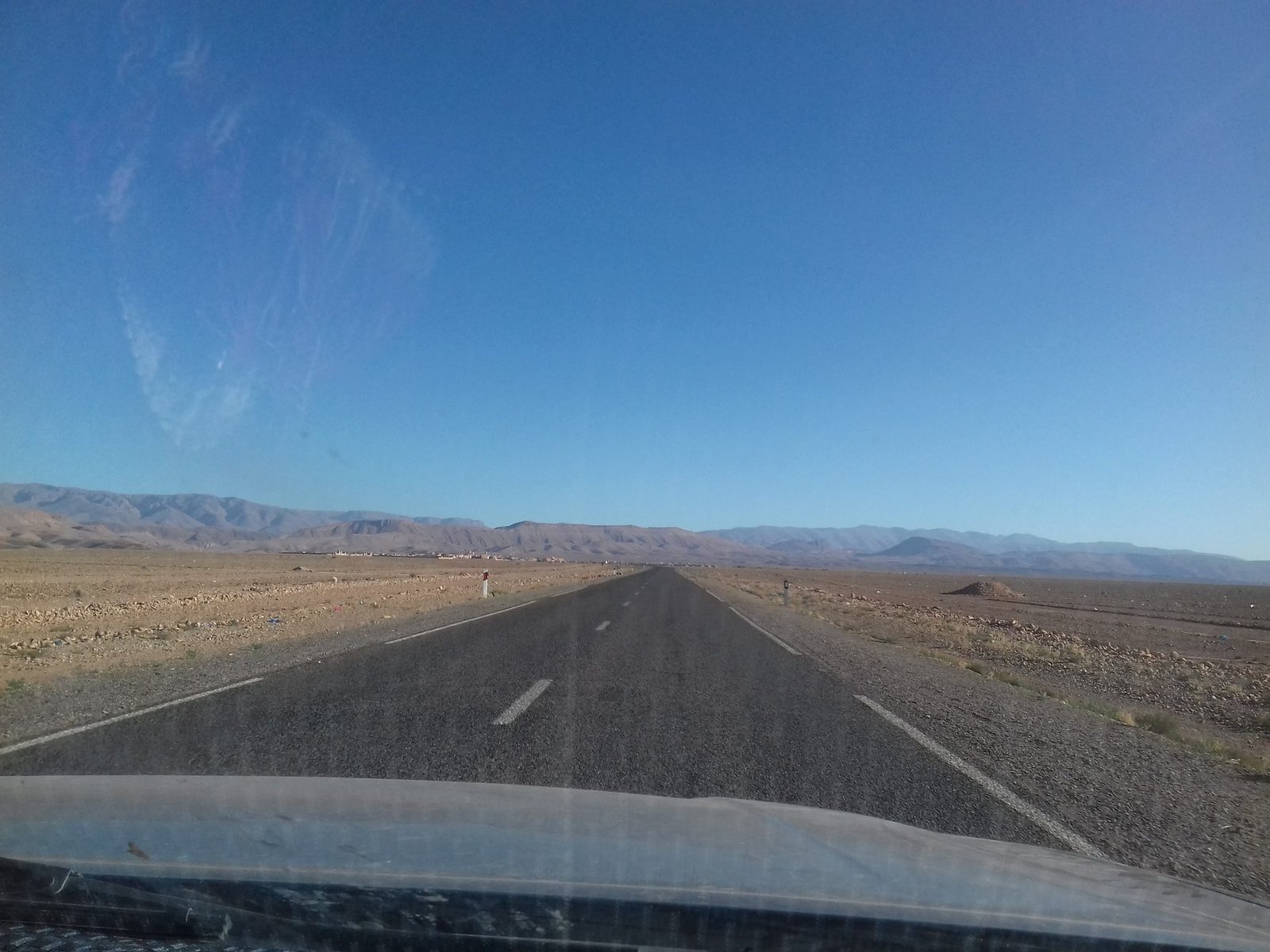
- Getting here: the long, spectacular run from Marrakech over the Tizi n’Tichka pass and through Ouarzazate — typically 6–7 hours by road each way, which is why most visits are 2 days with a desert night between.
- How long: 2 days from Marrakech as a tour; self-drivers often add a night to explore the Draa at leisure.
- Best time: October–April. Summer heat in the Draa is extreme; winter nights in camp are cold — pack accordingly.
- Onward travel: M’Hamid, the last village before Erg Chigaga’s big dunes, lies about 90 km further south for travelers extending the trip.
An honest note
Zagora’s own dunes are modest — low sand hills at the desert’s edge, not the towering seas of Erg Chebbi or Erg Chigaga. What the 2-day trip really sells is the journey: the High Atlas crossing, the Draa groves, and a genuine night of desert silence. Travelers whose dream is specifically the great dunes should take the 3-day Merzouga route instead. We’d rather tell you now than have the sand tell you later.
See it with Souk & Sand
- 2-Day Zagora Desert Tour — the Draa run with a desert night, from Marrakech
- 3-Day Marrakech to Merzouga Sahara Tour — the big-dune alternative
Two days or three for your desert chapter? Design My Morocco Trip — tell us your dates and we’ll reply with an itemized quote in writing.
FAQs
Is Zagora worth it for the dunes?
For dune seas, no — go to Merzouga. For the Draa Valley, the caravan-road atmosphere, and a desert night in limited time, yes.
How long is the drive from Marrakech to Zagora?
Typically 6–7 hours by road each way, over the Tizi n’Tichka pass — the reason the standard trip includes an overnight.
What is the “52 days” sign?
A famous sign in Zagora quoting the old caravan journey time to Timbuktu: 52 days by camel.
What is Tamegroute known for?
Its distinctive green-glazed pottery and the historic Zaouia Naciria, a religious and scholarly center founded in the 17th century.